

Articles

By Northside Psychology Staff As we celebrate International Women’s Day, it’s important to reflect on the powerful female role models who inspire and shape our world – from trailblazers and advocates in mental health to the women in our daily life that inspire us. In this blog, the team at Northside Psychology shares personal stories

By Senior Psychologist Aneka Srinivasan, Elysium Psychology Ending therapy can feel empowering, but it’s important to have a solid mental health maintenance plan in place. This plan acts as a personal guide to help you maintain the progress you’ve made and recognise when you might need additional support. Your psychologist will discuss this with you

By: Katie Ingham, Psychologist I love working with children and adolescents in a therapeutic setting, but my path to becoming a psychologist wasn’t a traditional one. I was a personal trainer for 8 years and it was then that I realised I enjoyed helping my clients grow and work towards their goals by talking to

By: Dr. Sarah Flint, Provisional Psychologist Parenting is a journey filled with highs and lows. Before their child is even born, many parents find themselves daydreaming about what life will look like. They imagine holidays, family traditions, and the loving bonds they’ll share. It’s often a time filled with excitement and optimism. But as every

By Northside Staff New Year’s resolutions can be beneficial for mental health in several ways. Setting goals and creating intentions for the upcoming year gives individuals a sense of direction and purpose, which can help improve mental well-being. With 2024 coming to an end, we took a moment to ask some of our staff to

Written by Jessica Yegorov, Senior Clinical Psychologist, Lawson Clinical Psychology Have you ever felt broken? Ever thought to yourself, “What’s wrong with me?”, “I’m so messed up,” or “everyone else seems to be able to do this – why can’t I?” You’re not alone. But why are we so quick to blame ourselves? These statements

By Tristan Jones, Accredited Mental Health Social Worker While we’ve made strides in talking about mental health, there are still many barriers to overcome-especially for men. Societal expectations, stigma, and outdated norms often make it difficult for men to open up about their emotional struggles, leaving many to suffer in silence. 43% of men aged

By Anna Elisara, Provisional Psychologist In this engaging Q&A, Anna shares her journey into the field of psychology, revealing what inspired her passion for helping others. From the essential skills she has developed throughout the Northside Psychology Graduate Program to the challenges that have shaped her experience, her reflections provide a candid glimpse into the

By Cobus Du Toit, Clinical Psychologist In this Q&A blog post, we’re excited to feature Cobus Du Toit, Clinical Psychologist, who made a significant leap in his career journey. Having trained as a psychologist in South Africa, Cobus embarked on the NorthStar Transitional Program which helped him navigate the rigorous process to become eligible to
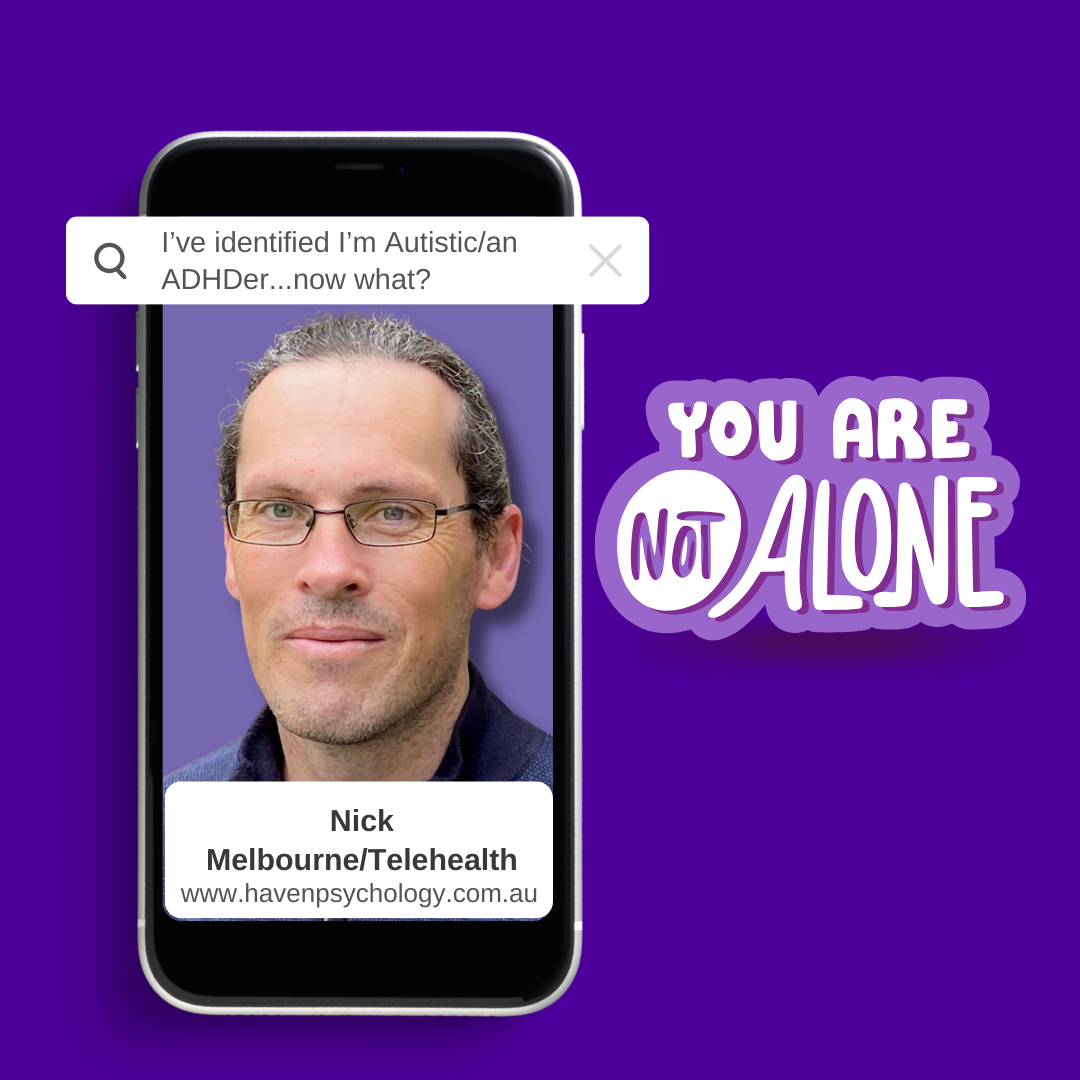
By Dr Nick Mumford from Haven Psychology The increased visibility and understanding of neurotype variations, such as Autism and ADHD, among others, we’ve seen in recent times has led to a greater interest in services to help people assess if these might be relevant for them. But what comes after that? Is ‘getting assessed’ the